There is a version of Goa that most people never see.
Not because it is hidden - but because the travel forums told them not to come. June through September, the advice is consistent: avoid Goa in monsoon. The roads flood, the sea is rough, the restaurants close. Go in October when the sun is back and the crowds follow.
What those forums don't mention is that the crowds are, for many people, the problem to begin with.
If you have ever arrived at a yoga retreat in Goa feeling like you needed a holiday from your holiday - too many people, too much noise, too many things demanding your attention before you had even unpacked - the monsoon version of Goa deserves a second look.
What Actually Changes in Monsoon Goa
The first thing that changes is the silence.
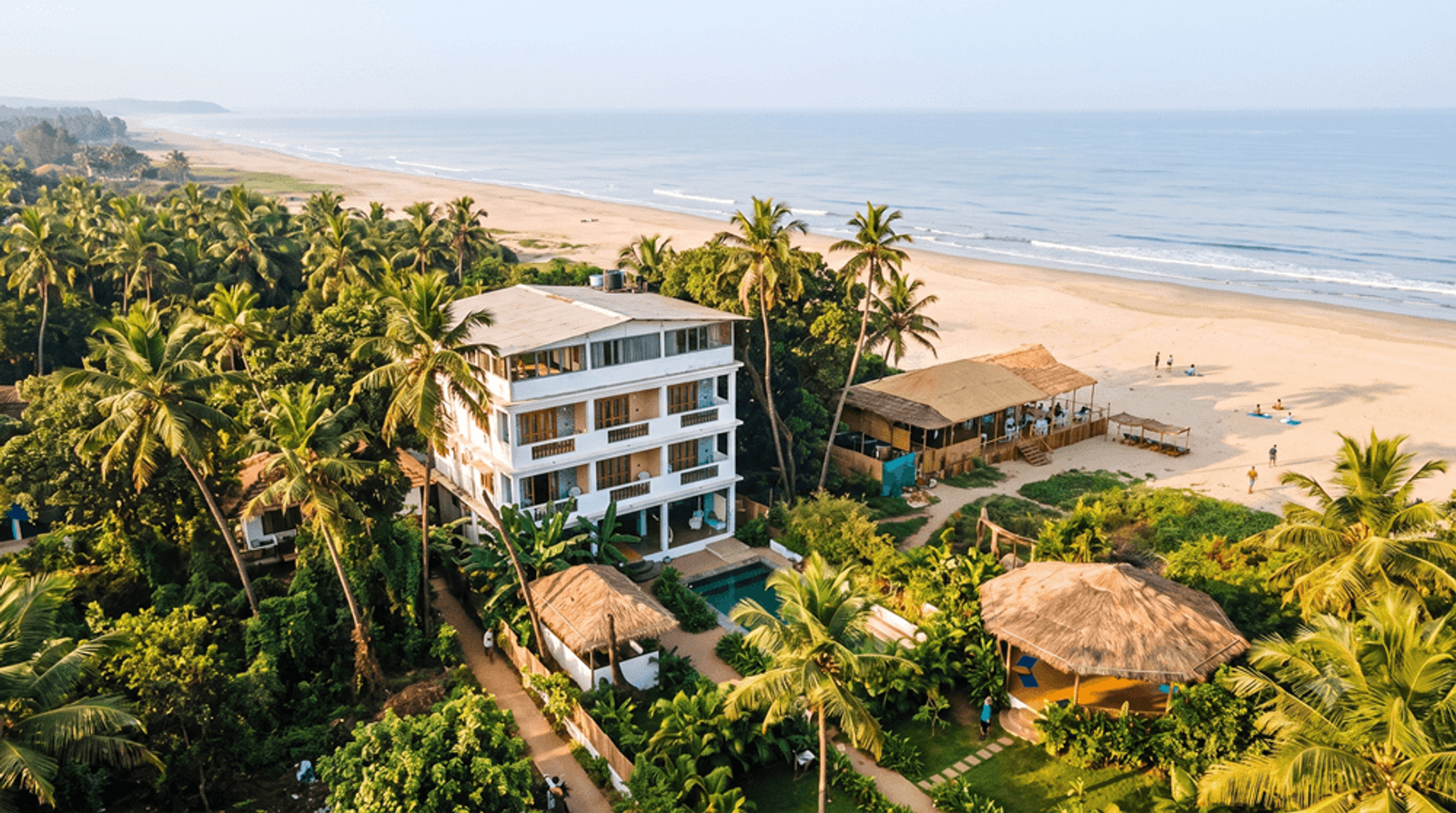
Mandrem Beach, which sits quietly at the northern edge of Goa's coastline, is already one of the calmest stretches of sand in the state. In monsoon, it becomes something else entirely. The beach clears. The air, thick and green-smelling after rain, moves differently. The sea - yes, rougher, yes, not for swimming - turns a particular shade of grey-green that you don't see in any tourism photograph.
The second thing that changes is the light. Monsoon Goa is not the bright, bleached-out Goa of January. It is lush. Everything is saturated. The palms are a deeper green. The earth is red and wet. If you have ever felt that the clean aesthetic of a wellness retreat somehow felt too sanitised, too removed from anything real, monsoon answers that. It is nature behaving like itself.
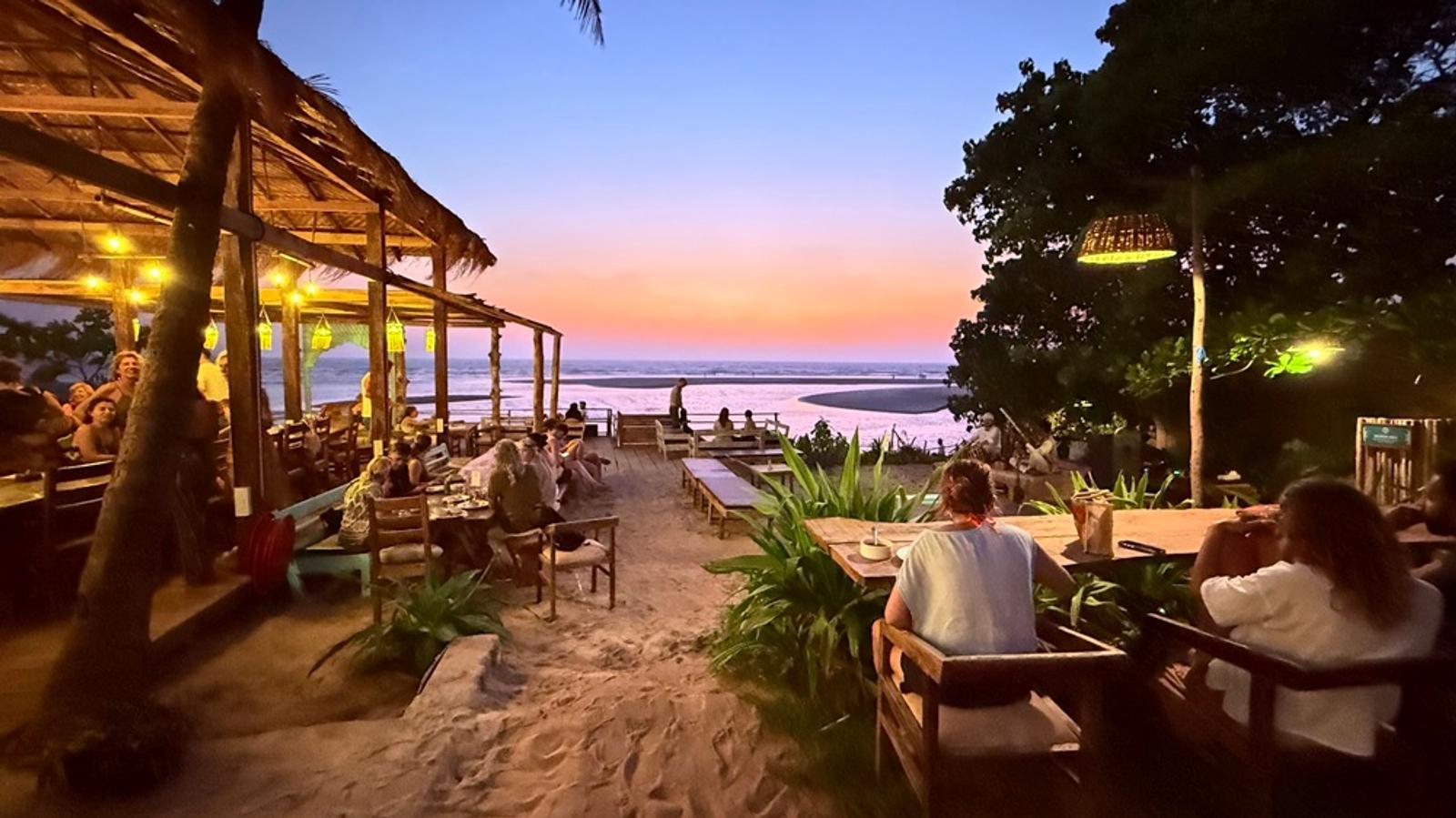
The third thing - and this is the one most relevant if you are considering a retreat - is the population. In peak season, even Mandrem sees pressure. In monsoon, the guesthouses thin out. The roads are quiet. You can walk the beach for an hour and meet no one. The retreat itself breathes differently when it is not operating at capacity.
The Retreat That Stays Open
Most wellness spaces in South Goa close between June and September. They follow the tourist calendar: open when the crowds arrive, shut when they leave.
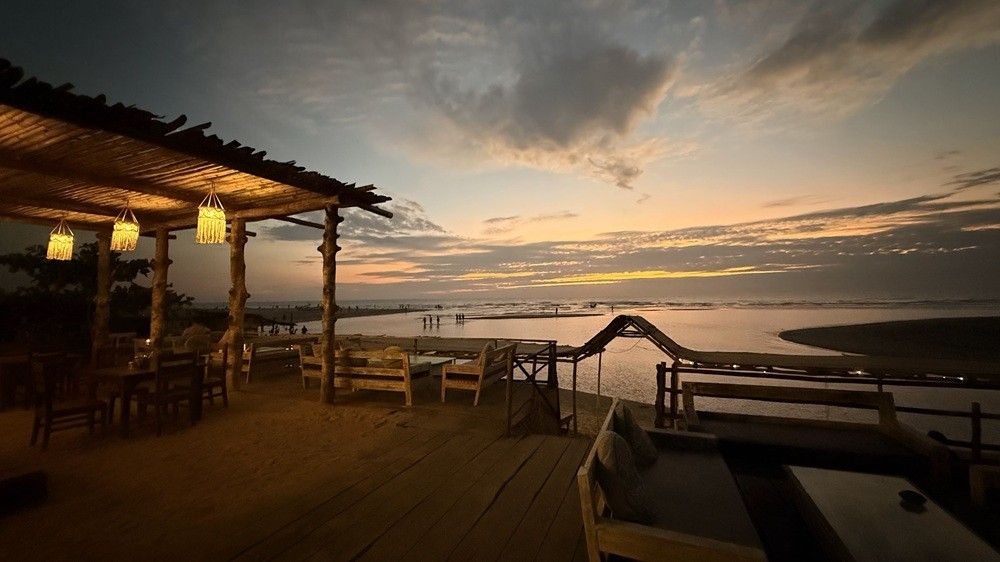
Nalanda Retreat operates differently. We stay open through the monsoon, not as a concession or a discount offering, but because this is one of our favourite times of year to be here. The property on Mandrem Beach takes on a particular quality in the green season. The gardens are at their most alive. The air from the Arabian Sea is cool enough that you can practice for longer, rest more deeply, and sit still outside without the heat cutting short every outdoor moment.
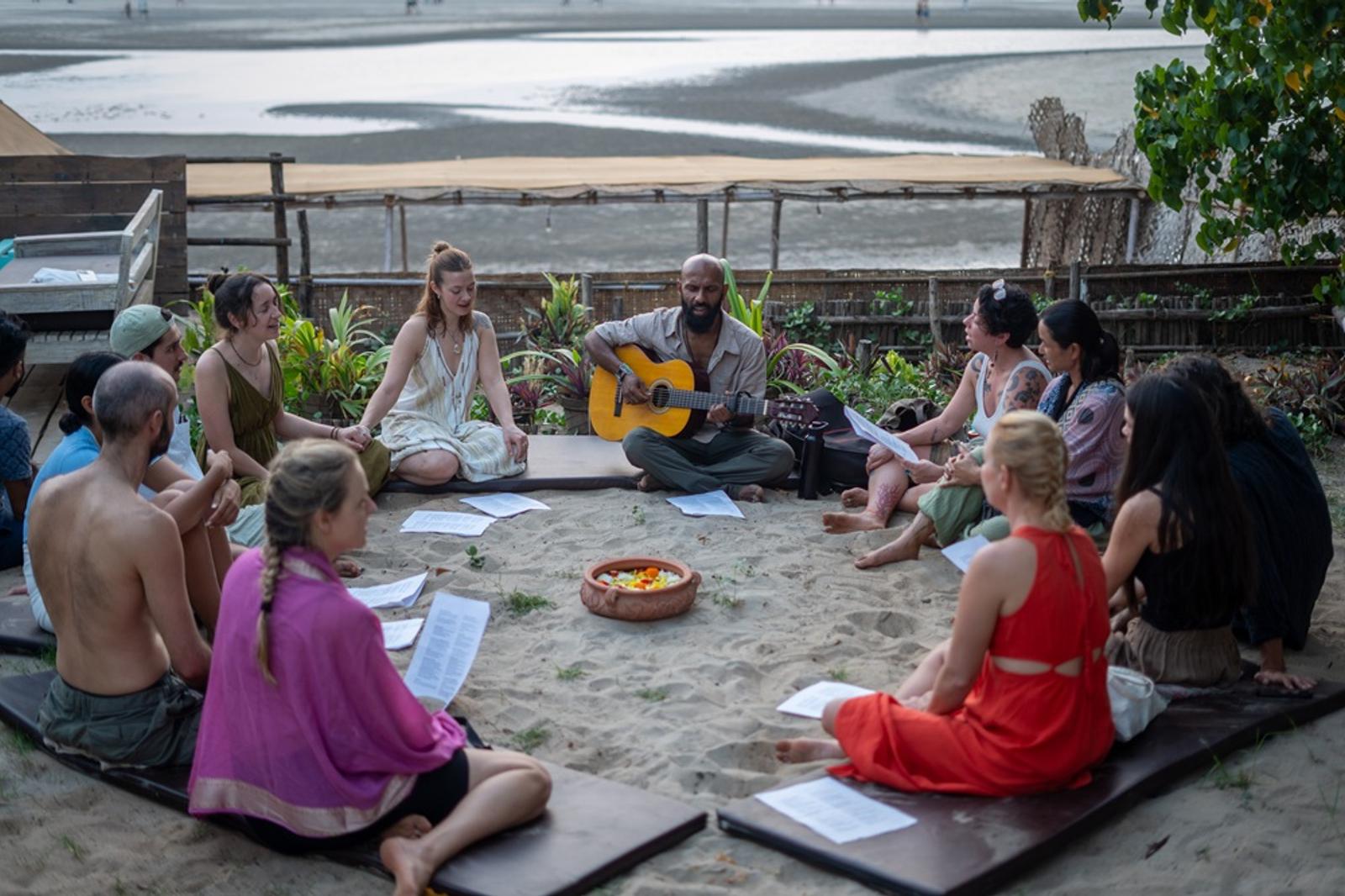
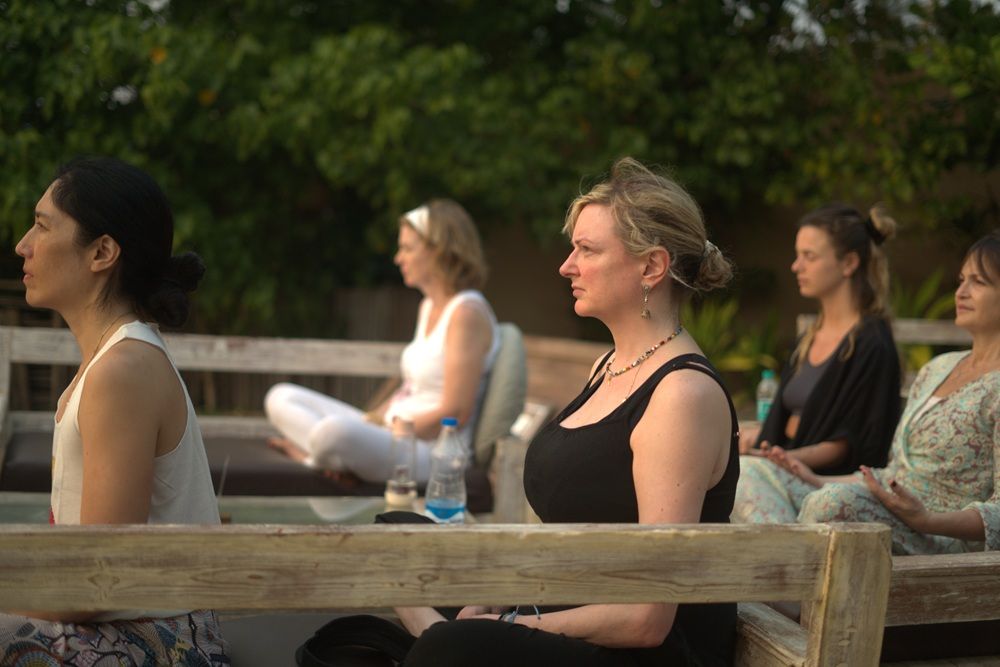
Our wellness programmes run on the same schedule year-round. The only thing that adjusts is the register. In monsoon, we lean into slowness. Sessions feel less structured, more spacious. Guests who come specifically in this season often say it was different from what they expected - quieter, more internal, more real.
Is the Weather Actually a Problem?
This is the question everyone has, and it deserves a direct answer.
It rains. Sometimes for an hour, sometimes for a day. The rain comes in sideways some mornings and makes the kind of sound on the roof that is either deeply restful or slightly alarming depending on your relationship with weather. The sea is choppy and unsafe for swimming most days. Outdoor yoga happens in covered spaces, of which Nalanda has several.
What does not happen: flooding at Mandrem. What does not happen: power cuts that last more than an hour. What does not happen: the kind of complete disruption that the internet suggests.
What does happen is that you spend more time indoors. And if the indoor spaces are good - if the rooms have something to them, if the food is thoughtful, if the silence is real - this turns out to be fine. Often, it turns out to be the whole point.
You did not come here to have perfect beach weather. You came here because something needed to slow down.
Flights, Practicalities, and What to Expect
Goa's Dabolim and Mopa airports both operate through the monsoon. Domestic flights from Mumbai and Delhi continue normally - the 90-minute connection from Mumbai makes this one of the most accessible weekend or short-stay destinations on the Indian subcontinent. International guests flying in from the UK, Europe, or Australia should expect the same connection options as peak season; only Dabolim sees reduced international traffic from some carriers.
Mandrem is roughly 45 minutes by taxi from Dabolim and about 20 minutes from Mopa. We recommend arranging a transfer in advance - our team can facilitate this - as auto-rickshaws become less reliable during heavy rainfall.
Pack light cotton layers and one waterproof layer. Bring sandals that can get wet. Bring good books. Leave the packed social agenda at home - this trip does not require one.
For accommodation, our stay options range from garden-facing rooms to beach-adjacent suites, all of which feel different in monsoon - more private, quieter, with the sound of the rain and the sea filling the space around you.
Who Comes to Nalanda in Monsoon
The guests who choose monsoon deliberately tend to have one thing in common: they know what they are looking for.
They are not here for Instagram Goa. They are not here to see a sunset from a clifftop bar. They are here because their nervous system has been running too hot for too long, and they have learned that the version of rest they can manage at home is not the same as the version available when the environment itself is doing part of the work.
If you have read this far, you are probably one of those people.
The kind of calm that is genuinely restorative - the kind that does not disappear the moment you open your email on the flight home - requires more than a long weekend at a nice hotel. It requires time, the right environment, and a certain quality of stillness that monsoon Goa delivers better than almost anywhere else we know.
A Note on Pricing
Monsoon pricing at Nalanda is our most accessible. This is not because the experience is lesser - it is because the costs of running a retreat in low season are lower, and we pass that on. If budget has been a reason for postponing a retreat, the June-to-September window is the one to consider.
Quick Answer: Is Goa good for a retreat in monsoon?
Yes - if you are looking for genuine quiet, lower prices, and a less crowded experience. Most of North Goa's beaches, including Mandrem, remain accessible. The sea is not swimmable, but the retreat experience - practices, rest, food, environment - is fully operational and arguably at its best.
Explore our retreat programmes at https://nalandaretreat.com/programs/ or join a retreat at https://nalandaretreat.com/join-a-retreat/ this monsoon season. For questions about travel or timing, reach us at reservations@nalandaretreat.com
Frequently asked questions
Is Nalanda Retreat open during Goa monsoon?
Yes. We operate year-round, including June through September. All programmes, spa treatments, and accommodation are available. The monsoon season is one we actively recommend to guests looking for a quieter, more immersive stay.
What is the weather like in Goa in July?
July is typically the wettest month. Rain comes in periods - sometimes heavy for a few hours, sometimes lighter through the day. Temperatures stay between 25-30 degrees C. It is humid but not unbearably hot. The evenings are often cool and still.
Can I swim at Mandrem Beach in monsoon?
Swimming is not safe during the monsoon months due to strong currents and rough surf. The beach is beautiful to walk but should not be entered for swimming. The retreat pool and indoor water therapies remain available.
Are flights available to Goa in monsoon?
Yes. Domestic routes from Mumbai, Delhi, Bangalore, and other major Indian cities operate year-round. Some international routes see reduced frequency but connections via Mumbai remain reliable.
Will I be the only guest at the retreat in monsoon?
Groups are smaller in monsoon, which many guests prefer. You will likely have more access to teachers and practitioners, and the overall environment is more intimate. We never operate completely empty - there are always other guests, just fewer.
How does monsoon at Nalanda compare to peak season?
Quieter, greener, more internal. The practices tend to feel more spacious. There is less social activity and more individual depth. For guests who struggle to unplug in busy environments, monsoon often delivers more than the peak season ever could.