Goa is closer than it used to feel.
The direct flight from London Heathrow to Goa (Dabolim) has been running long enough that it is no longer a novelty - it is simply a route. Around nine hours in the air, a time difference of five and a half hours, and you are on a different continent entirely. For UK travellers who have done yoga retreats in Spain or Portugal or Bali, Goa represents a specific jump in depth: a place where the tradition behind the practice has deep roots, where the cost of an equivalent experience is meaningfully lower, and where the environment is genuinely unlike anything in Europe.
This guide covers the practical questions - flights, visas, when to go, what to bring, and what to expect from a yoga retreat in Goa as a UK traveller - answered directly, for someone doing this for the first time.
Flights from the UK to Goa
Direct routes: IndiGo has operated seasonal direct service from London Gatwick. Thomas Cook's charter routes have run historically during peak season (October to March). Availability changes year to year, so check current schedules at time of booking.
Via Mumbai: The most reliable route year-round is London to Mumbai (multiple daily departures with British Airways, Air India, Virgin, and others), followed by the domestic connection to Goa. Mumbai to Goa takes approximately 90 minutes. Mumbai's Chhatrapati Shivaji Maharaj International Airport has a dedicated domestic terminal (T1) that requires a separate check-in - allow two to three hours between international arrival and domestic departure if connecting on the same day.
Via other hubs: Connecting through Dubai (Emirates), Doha (Qatar Airways), or Abu Dhabi (Etihad) to Goa is possible, though adds travel time. These routes tend to be competitive on price.
Budget: Expect to pay between 600-900 GBP for economy return flights from London to Goa in shoulder season (June-September, December-January). Peak season (February to April) commands higher prices.
Travel time total: Plan for 14-20 hours door to retreat, depending on connections and layovers. Factor this into how many days you book - arriving on day one and leaving on the last is not the same as being there.
Visas for UK Citizens
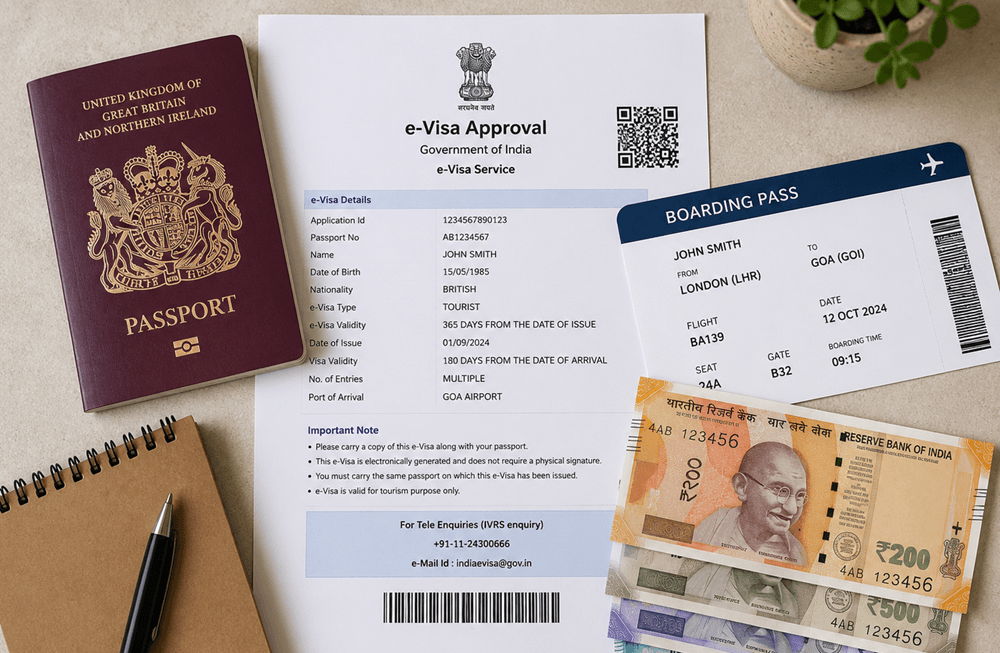
UK citizens require an Indian visa. The e-Visa (eTV) is the most straightforward option: apply online at indianvisaonline.gov.in, upload a photograph and passport scan, and pay the fee (approximately 25-35 GBP for a one-year multiple-entry tourist visa at time of writing). Processing takes two to four business days. Print or download the approval to show at immigration.
The tourist e-Visa is valid for 180 days from the date of first entry and allows a maximum stay of 90 days per visit. For a week or ten-day retreat, this is entirely sufficient.
Ensure your passport has a minimum of six months' validity from your date of travel. UK passports are widely accepted and rarely create complications at Indian immigration.
When to Go: Honest Season-by-Season Guide
October to March (peak season): This is when most UK travellers go. The weather is reliable, warm, and dry. The sea is swimmable. Prices are at their highest. Retreats book up early - popular programmes at well-regarded centres like Nalanda often fill two to three months in advance during this window. If you are set on a specific retreat and a specific time, book early.
April to May (shoulder season): Getting hotter. By May it is genuinely very hot (35 degrees C+), and the humidity begins to build. Some travellers find this period uncomfortable; others appreciate the lower prices and fewer people. Retreat availability is better.
June to September (monsoon): The season that UK travellers most frequently dismiss and most frequently find surprising once they arrive. Prices are at their lowest. Mandrem Beach is quieter than at any other time of year. The lush, rain-soaked environment of Goa in monsoon is genuinely beautiful and genuinely different from anything the peak season offers. The sea is not swimmable. Everything else is fully operational at Nalanda.
For a first-timer: October to December or March to April offer the most accessible weather. For a more considered traveller who knows what they are looking for: the monsoon is worth investigating.
Choosing the Right Retreat
Goa has hundreds of retreats. The quality varies enormously. Some questions to ask before booking:
Who are the teachers? Look for teachers with a consistent background - lineage, training, years of practice. If the website lists credentials but not context, ask directly. A good retreat will tell you clearly who teaches and what their background is.
What is the accommodation like? Photos can be generous. Ask about room types, shared versus private bathrooms, air conditioning versus fans. For a UK traveller spending a week here, the quality of the room matters more than the Instagram account suggests.
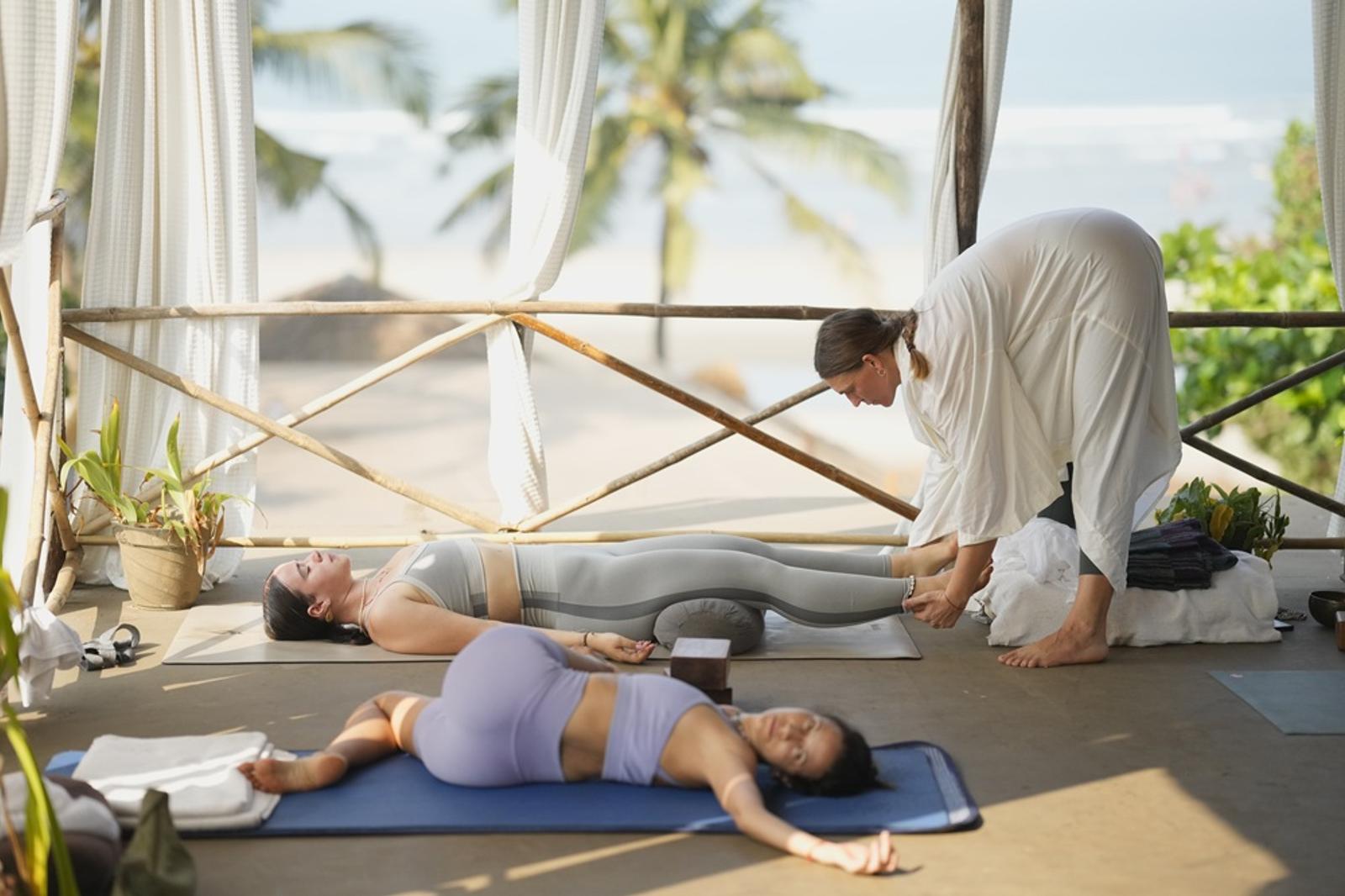
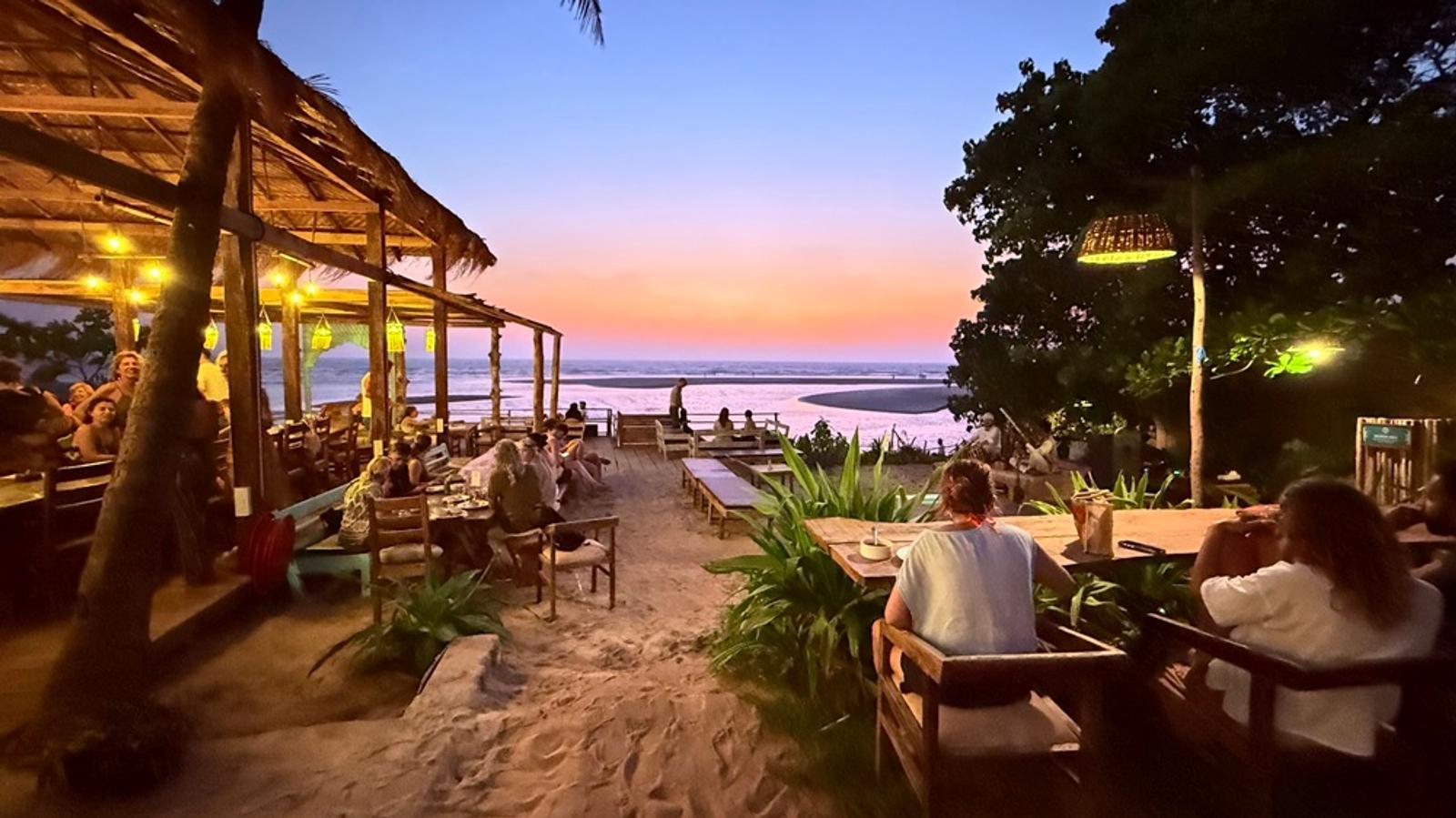
What does a typical day look like? A genuine retreat will have a published schedule. Two classes a day with nothing else structured is not a retreat; it is a hotel near a studio. Look for retreats where the food, the environment, and the structure of the day are part of the offering.
What is the guest mix? Some retreats are primarily Indian domestic travellers; others draw almost entirely from UK, European, and Australian guests. Neither is better, but knowing which applies helps you understand what you are walking into socially.
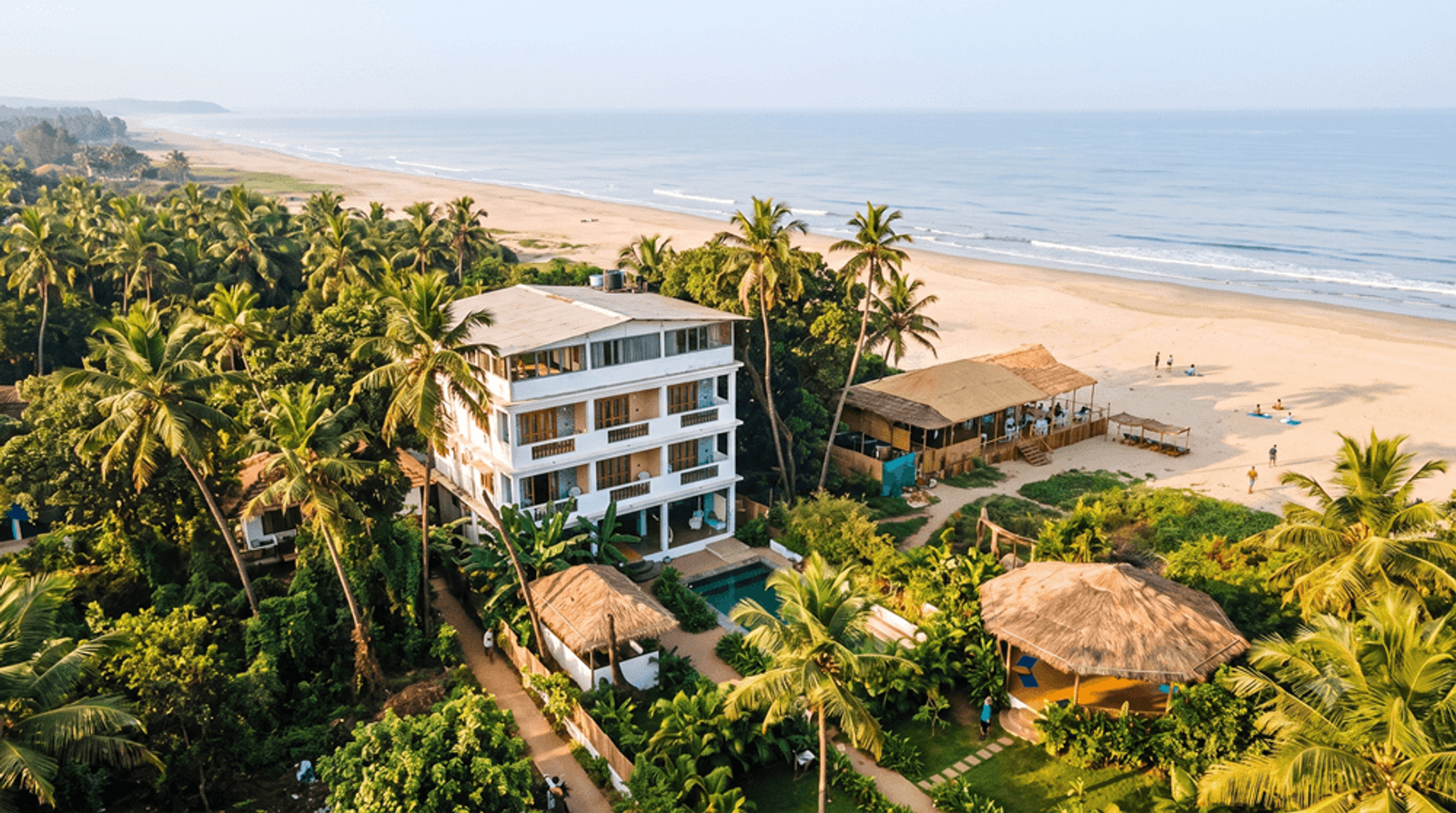
Nalanda sits in North Goa, on Mandrem Beach - one of the quietest stretches of coastline in the state. We run open wellness and yoga retreats throughout the year as well as Ayurvedic programmes through Soma Cove.
What to Pack?
For a yoga retreat in Goa from the UK, pack light. Literally and figuratively.
Clothing: Two to three sets of comfortable yoga or movement clothes. Loose cotton for the rest of the day. Light layers for air-conditioned spaces (dining rooms in Goa are often very cold). A light waterproof layer if travelling in shoulder or monsoon season. One set of smart casual if you want it for a single evening out - you probably will not need it.
Health and practical: Comprehensive travel insurance that covers medical evacuation. Any prescription medications in your carry-on with a printed prescription. Insect repellent (DEET is effective against dengue mosquitoes; this matters in Goa during the wet months). Sunscreen - factor 50, reef safe. A reusable water bottle; Nalanda provides filtered drinking water.
Currency: The Indian rupee (INR). UK debit cards with no foreign transaction fees (Starling, Monzo, Wise) work at most ATMs. Carry some cash for taxis and smaller purchases; Mandrem has ATMs nearby.
What not to bring: Anything you will feel obligated to look after. Expensive jewellery, multiple devices, the work laptop. A retreat is easier when your physical belongings are simple.
How Mindful Travel Changes the Experience?
The approach to travel itself shapes what a retreat gives you. Guests who arrive treating the journey as the beginning of the experience - sleeping on the overnight flight, arriving without an agenda, allowing the first day to be a decompression day - consistently have a deeper experience than those who fly in on the morning of their first session and expect to switch modes immediately.
Book an extra day at the beginning if you can. Let arrival be arrival.
Quick Answer: Do UK citizens need a visa for Goa?
Yes - an Indian e-Visa, applied for online at indianvisaonline.gov.in. Processing takes two to four business days. A one-year multiple-entry tourist e-Visa costs approximately 25-35 GBP. Valid for stays of up to 90 consecutive days.
Visit our retreat calendar at https://nalandaretreat.com/join-a-retreat/ for current availability, or browse accommodation options at https://nalandaretreat.com/stay/. Questions: reservations@nalandaretreat.com
Frequently asked questions
What is the best time to visit Goa for a yoga holiday from the UK?
October to March offers the most reliable weather. November and December are particularly popular with UK travellers and book up early. For a quieter, more affordable experience, the monsoon season (June-September) is worth serious consideration.
How long should I plan for a yoga retreat in Goa?
Minimum seven days to make the journey worthwhile. Ten to fourteen days allows genuine rest and deeper engagement with the programme. Factor in a travel day at each end.
What is the time difference between the UK and Goa?
India Standard Time (IST) is UTC+5:30. In summer (BST), the difference is 4.5 hours ahead of the UK. In winter (GMT), it is 5.5 hours ahead.
Is Goa safe for solo female travellers from the UK?
North Goa, particularly Mandrem, has a well-established international travel community and is generally considered safe for solo female travellers. The beach areas around Mandrem are quieter and more conservative than South Goa's party towns. Standard travel precautions apply; arrive with a transfer arranged in advance.
Can I extend my retreat into a longer India trip?
Absolutely, and many Nalanda guests do. Goa is well connected to the rest of India by air and train. Common extensions include Hampi, Kerala, Rajasthan, or Mumbai.
How far in advance should I book a Goa yoga retreat from the UK?
For peak season (November-February), two to three months in advance is advisable for popular retreats. For monsoon season, last-minute availability is more common.