Classical Ayurvedic texts are specific about the timing of Panchakarma. The monsoon season - Varsha Ritu - is described as one of the most suitable periods for purification work. The logic is grounded in an understanding of how the body responds to seasonal transition: Agni (the digestive fire) is naturally lowered by the monsoon environment, making the body more receptive to the preparatory and purification phases of Panchakarma.
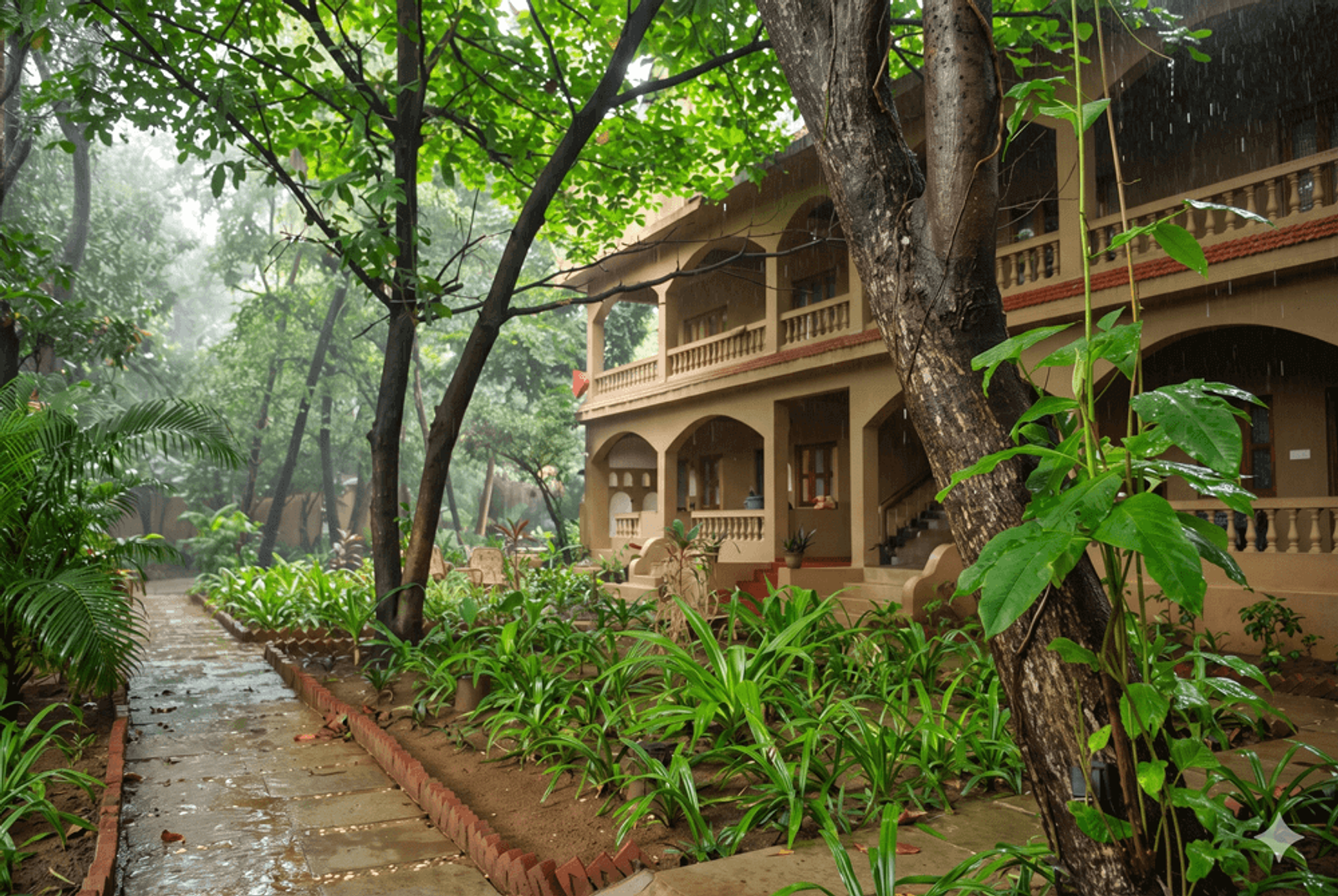
This is not simply tradition for its own sake. The humidity and relative coolness of the monsoon months genuinely support the oleation (oil application) phases of Panchakarma by keeping the skin supple and the channels more open. The quiet of the monsoon - fewer guests, a more intimate environment, the specific quality of the rain and the green - also creates conditions that many practitioners consider optimal for this kind of inward, restorative work.
This guide gives you a day-by-day picture of what the Monsoon Panchakarma Retreat at Nalanda Retreat actually looks like - so you know what you are signing up for before you arrive. For a broader introduction to what Panchakarma involves as a practice,
Direct Answer
A Panchakarma monsoon retreat at Nalanda follows a structured programme: constitutional assessment on arrival, Purvakarma (preparation phase including oleation and steam), the primary approaches (Virechana, Basti, or others selected by the practitioner), and a Paschatkarma (restoration phase) before departure. The experience is deeply restful, occasionally intense, and requires full commitment to the programme rhythm. Duration is typically 7 to 14 nights.
Before You Arrive: Pre-Arrival Preparation
Your Panchakarma programme at Nalanda begins before you get on the plane. The pre-arrival health questionnaire you complete at booking time provides the practitioner team with enough information to plan the broad direction of your programme in advance.
Two weeks before arrival, you will receive dietary guidance - typically a gradual simplification of your diet toward easily digestible, warm foods. This is not optional. The quality of your preparation at home affects the effectiveness of the purification approaches. Guests who arrive having followed the pre-arrival guidance tend to move through the early phases of the programme more smoothly.
Day 1 to 2: Arrival and Assessment
Day 1 - Arrival and Orientation
You arrive at Nalanda on Mandrem Beach. If it is monsoon, the garden is deeply green and the beach is quiet. You have time to settle, rest, and eat a light dinner. The first day is intentionally low in demand. Your body is adjusting to the environment, the time zone (if you have flown from Europe), and the shift in pace.
Day 2 - Ayurvedic Consultation
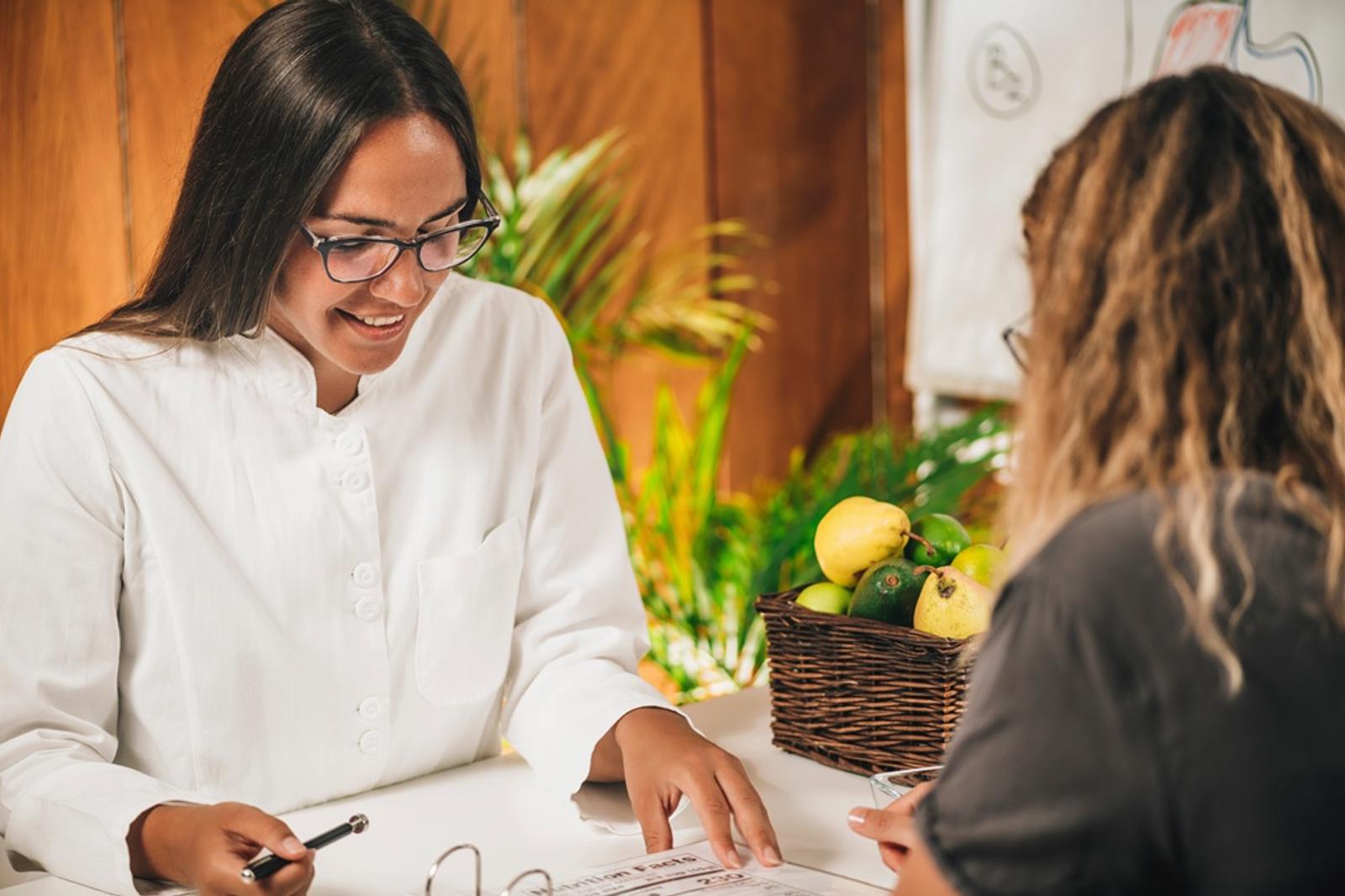
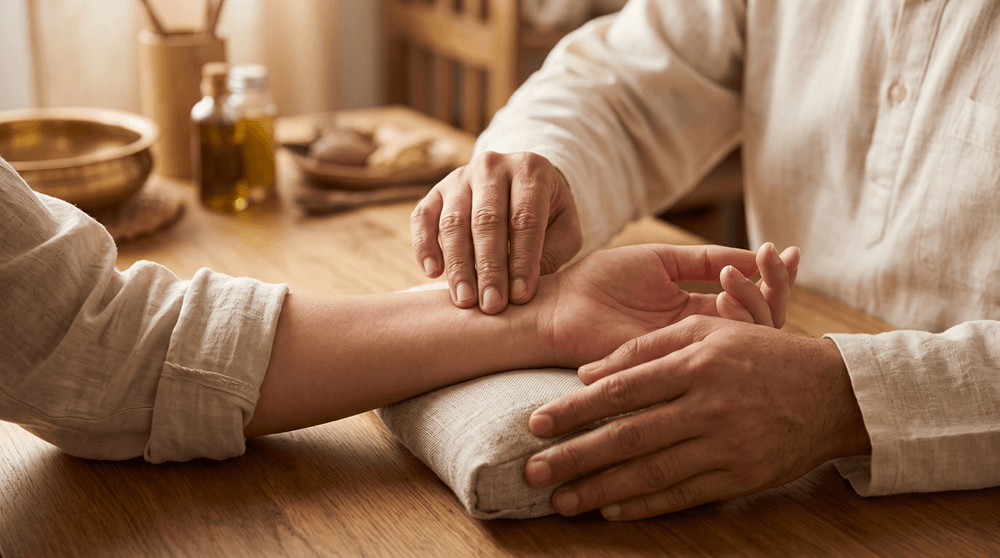
The Ayurvedic Consultation on day 2 is the foundation of everything that follows. The practitioner takes your pulse using Nadi Pariksha, assesses your Prakriti (constitutional type), your Vikriti (current state of imbalance), and reviews your health history and the information from your pre-arrival questionnaire. The session typically runs 45 to 60 minutes.
From this assessment, the practitioner determines your programme: which approaches are appropriate, in what sequence, at what intensity, and with which herbal preparations. No two Panchakarma programmes at Nalanda are identical because no two guests have the same constitutional picture.
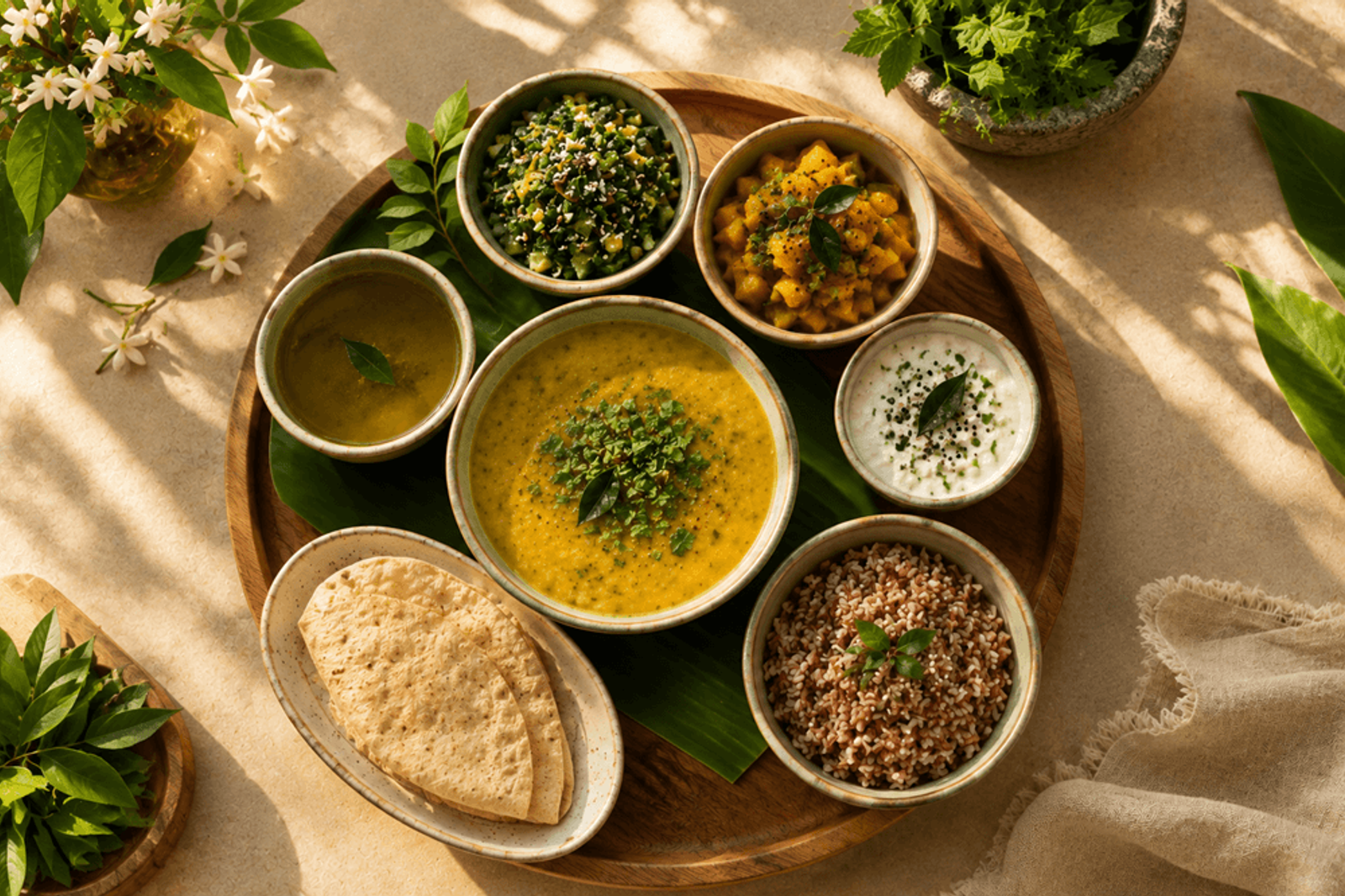
Day 2 also involves your first dietary prescription - the food you will be eating throughout the programme, adapted to your constitution and the phase you are in. Expect warm, simple, nourishing food. The classic Panchakarma diet centres on Kitchari - a spiced mung dal and rice preparation that is easy to digest and nutritionally complete.
Day 3 to 5: Purvakarma - The Preparation Phase
Purvakarma is often underappreciated by first-time guests, who expect to feel better immediately. It is actually the most important phase of the programme. The body needs to be prepared - softened, channels opened, Ama loosened from the tissues - before the primary approaches can work effectively.
Internal Oleation
Purvakarma typically begins with internal oleation - taking medicated ghee in small and then increasing quantities over several days. This is not pleasant. The ghee has a strong taste and the quantities can feel challenging. Most guests feel unusually tired in the first two to three days. This is expected.
The purpose of internal oleation is to reach the deep tissue layers where Ama accumulates and begin to loosen it. The ghee acts as a carrier for the herbal preparations and a lubricant for the channels through which the body will eventually release what has built up.
External Oleation - Abhyanga
Alongside the internal oleation, you begin daily Abhyanga - the four-hand warm oil massage that is a signature of Panchakarma preparation. Four hands moving in synchrony with warm medicated oil is a distinctive experience. Most guests fall asleep during the first session.
Swedana - Herbal Steam
Following Abhyanga, Swedana (Herbal Steam) opens the channels further and supports the body in beginning to move the loosened material. The steam is infused with specific herbs selected for your constitutional pattern.
By day 5, the body has typically shifted noticeably. The tiredness of the first few days often lifts. Sleep quality frequently improves at this stage. Digestion becomes simpler and lighter.
Day 6 to 10: Pradhanakarma - The Primary Approaches
Once the practitioner assesses that the preparation is complete - based on specific signs they look for, including the quality of your skin, your pulse, your digestion, and your reported experience - the primary approaches begin.
Which specific approach is used depends entirely on your constitution and the assessment:
Virechana (purgation): The primary approach for Pitta-pattern imbalances. A herbal formulation supports the body in releasing through the lower digestive tract.
Basti (medicated enema): The primary approach for Vata-pattern imbalances, and considered in classical Ayurveda to be the most important of all the Panchakarma approaches. Medicated herbal decoctions are administered to support elimination and nourishment of the large intestine.
Nasya (nasal administration): Medicated oils administered through the nostrils to address conditions above the clavicle - sinuses, head, neck. Often used alongside one of the primary approaches rather than as a standalone.
This phase requires the most of you. You rest. You follow your dietary protocol precisely. You do not exercise beyond gentle walking. You limit screen time and social stimulation. The body needs its energy directed inward.
Day 11 to 14: Paschatkarma - Restoration
The restoration phase is as important as the preparation phase, and it is the one most frequently shortchanged in shorter programmes. After purification, the body is clean but depleted. Paschatkarma builds it back.
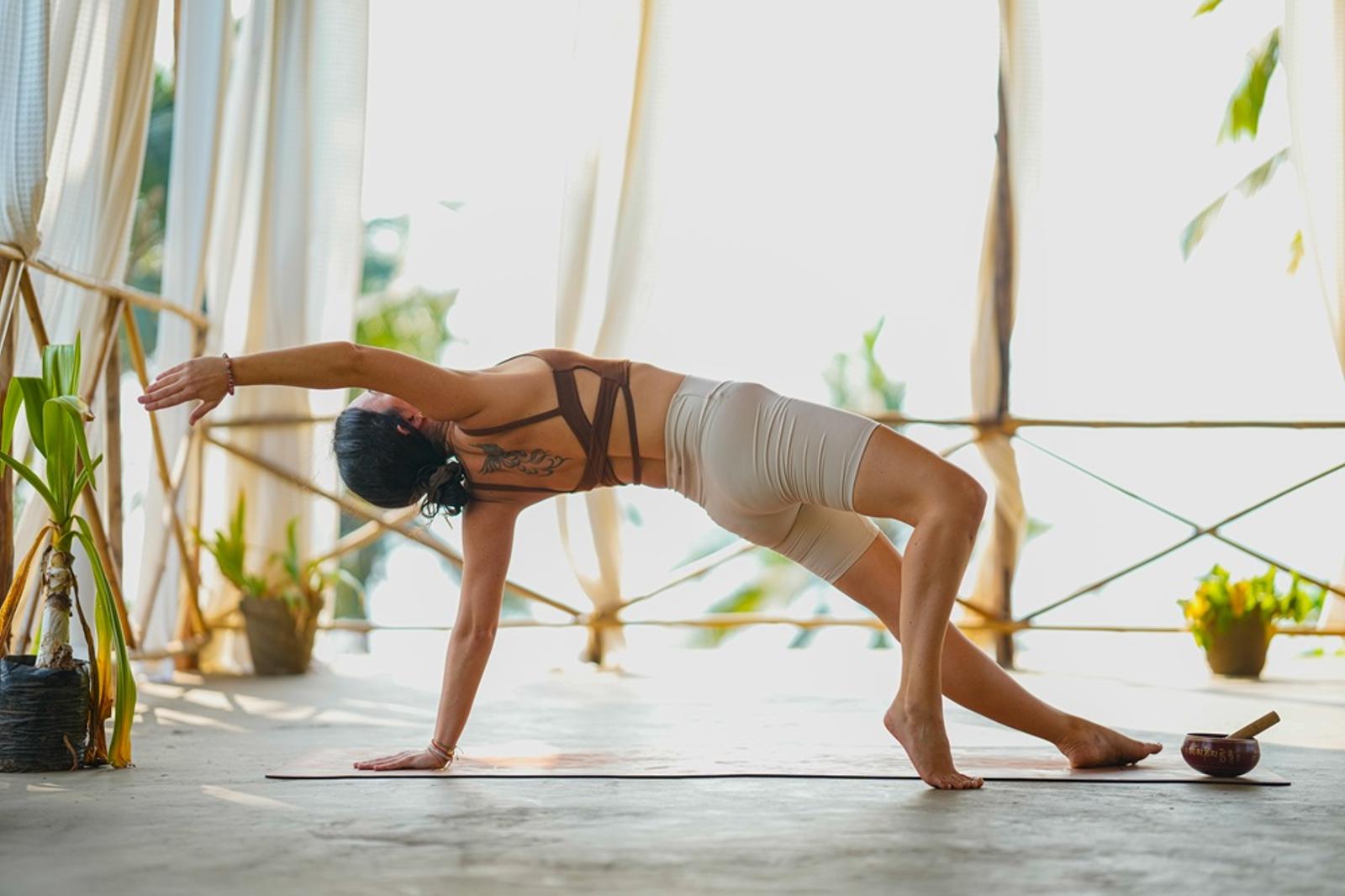
The diet gradually reintroduces variety - from Kitchari toward lightly spiced vegetables, then broader foods. The approach shifts from purification-focused to nourishment-focused. You receive Rasayana (rejuvenation) preparations. Daily yoga continues, slightly more energetic than in the purification phase.
By day 14, most guests describe feeling lighter, clearer, and better rested than they can remember. Digestion is typically more efficient. Sleep is improved. The mind is quieter.
Why Monsoon Specifically
The monsoon environment supports each phase of Panchakarma in specific ways. For the full picture of what a monsoon stay at Nalanda actually looks and feels like, the monsoon retreat guide covers this in detail. The short version: the humidity supports the oleation phases, the coolness of the rains makes rest easier, the quiet of Mandrem Beach in this season means fewer distractions, and the prices are lower than peak season.
The Classical Panchakarma Autumn Retreat is an alternative for guests who prefer the post-monsoon season when the weather has cleared.
Frequently asked questions
How long does a Panchakarma programme need to be?
A minimum of 7 nights is needed for a meaningful preparation and primary-approaches phase. 14 nights is the standard recommendation for a full programme that includes adequate Purvakarma, Pradhanakarma, and Paschatkarma. Shorter programmes can introduce you to the approach but do not allow for a complete sequence.
Is it normal to feel worse before feeling better during Panchakarma?
Yes. The first two to four days of Purvakarma often bring fatigue, sometimes headache, and digestive changes. This is understood in Ayurveda as the body beginning to move accumulated material. It passes. Most guests report a significant positive shift from day 4 or 5 onward.
Can I exercise during Panchakarma?
Gentle walking and daily yoga are part of the programme. Intensive exercise - running, strength training, vigorous practice - is not appropriate during the programme and particularly not during the primary-approaches phase. The body's energy is needed for the internal work of the programme.
What can I not eat during Panchakarma?
Cold food, raw food, alcohol, caffeine, and heavy or processed foods are not part of the programme diet. The dietary prescription is adapted to your constitution and phase. Following it is not optional - the diet is part of the programme, not a background detail.
Can I do a Panchakarma programme if I have never done Ayurveda before?
Yes. Many guests come to Nalanda for Panchakarma with no prior Ayurvedic experience. The consultation process is thorough enough to build a complete picture from scratch. If you want a preliminary sense of Ayurvedic concepts before arriving, the dosha guide and Panchakarma introduction are useful preparation.
What is the difference between the Monsoon Panchakarma Retreat and the Panchakarma Deep Purification programme?
The Monsoon Panchakarma Retreat is a hosted retreat experience running in the monsoon season (June to September) with a specific seasonal framing. The Panchakarma Deep Purification programme is available year-round as a standing programme. Both follow the same classical Panchakarma methodology.